Share
Share
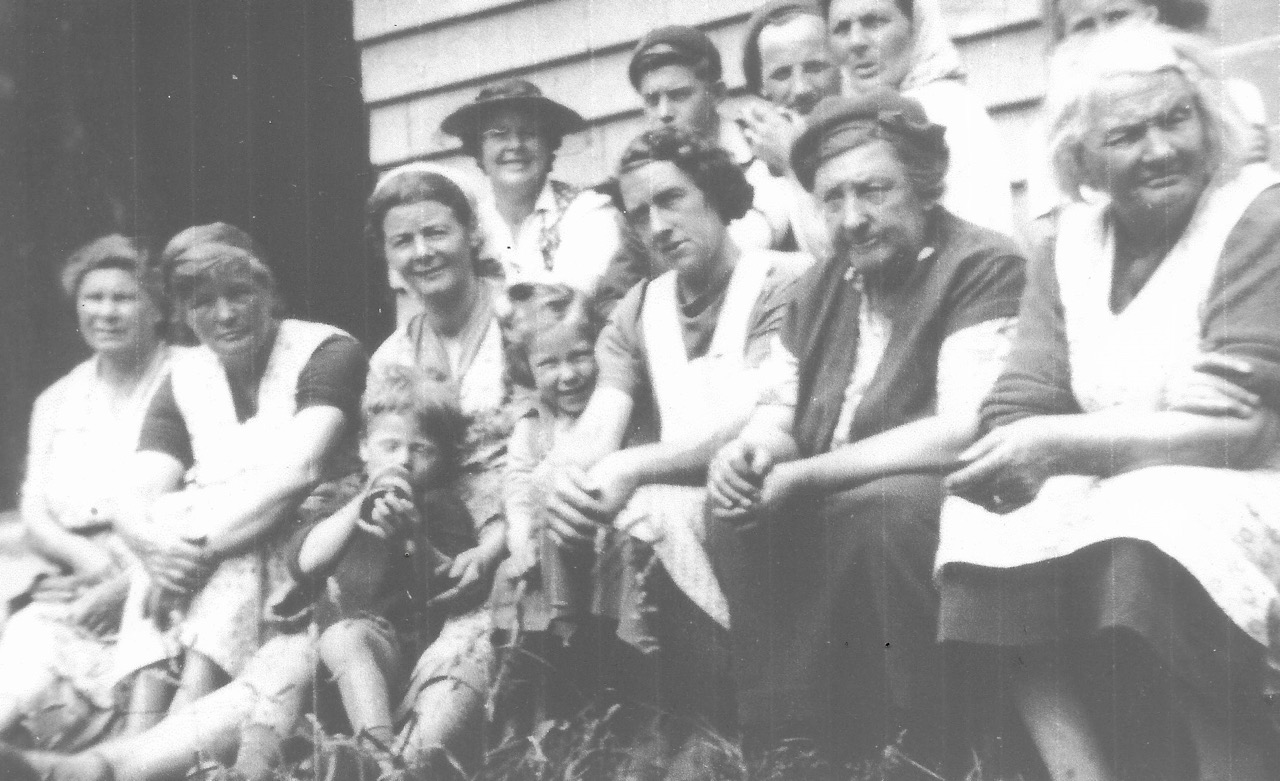
Shifnal beet hoers
Shifnal beet hoers
Shifnal People: the beet hoers and potato pickers
Imported grain and flour led to the decline of home-grown agricultural produce towards the end of the 19th century which had a depressing effect on farming in arable areas such as Shifnal. The enterprising Shifnal Agricultural Society organised lectures and competitions to encourage farmers to update their methods, try new crops and improve their production and incomes. In 1898, a competition was announced to encourage the growing of sugar beet. The first beet processing factory was opened in 1912, in Norfolk.
Local beet growing really took off with the construction of the Allscott Sugar Beet Mill in 1927. In 1935, Shifnal farms reported 632 acres growing beet and until the closure of Allscott in 2007, sugar beet was an important crop in the local area. The sugar beet thrived in the light sandy soil and the crop could be transported from the railway station in Shifnal straight to the mill.
The cultivation of sugar beet was very labour intensive. The land had to be deeply ploughed before planting and weed control was managed by densely planting the crop, which then had to be manually thinned with a hoe two or three times during the growing season. Hence the teams of beet hoers who were employed by the local farmers: women, often with families who provided the seasonal labour to hoe the beet or gather the potato harvest.
The photograph above dates from the early 1950s. We know the names of some of the women and children – Mrs Mullinder and Kathleen, Mrs Simmons, Mrs Lewis, Mrs Nelly Ford and Jane, Mrs Audrey Studd. Another regular worker who is not in the picture was Mrs Margaret (Madge) Bennet, mother of Pat Turner and Sue Tanner.
Harvesting beet also required many workers. Although the roots could be loosened by a beet-lifting plough, pulled by horses at first, the roots were then gathered by hand, knocking them together to shake free any loose soil. The crown and leaves were chopped off with a beet hook. Then the crop was tossed into the back of a one-ton cart and pulled to the railway station. One horse could pull the cart into Aston Street but a second horse was needed to pull the load up the slope. Finally the beets were manually forked into the waiting railway wagons, which Frank Dakin remembered as ‘a particularly hard and unpleasant job’.
If you have memories of your parents working on the beet or potato fields when you were a child or can recognise more of the women in the picture, please let us know at the Shifnal Local History Exhibition in the old Fire Station, open every Friday 2 – 4pm and Saturday 10am – 12noon.