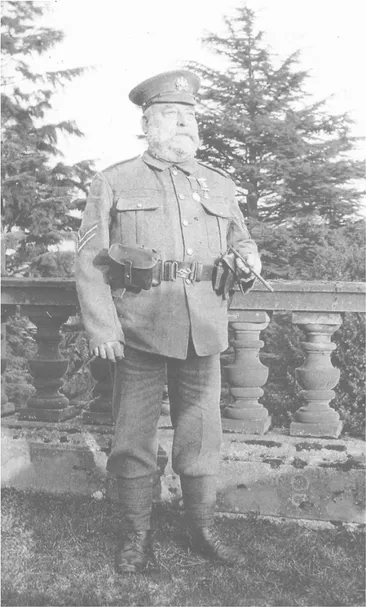
James Edward Cheadle
James Edward Cheadle
Shifnal People: James Edward Cheadle and the church clock
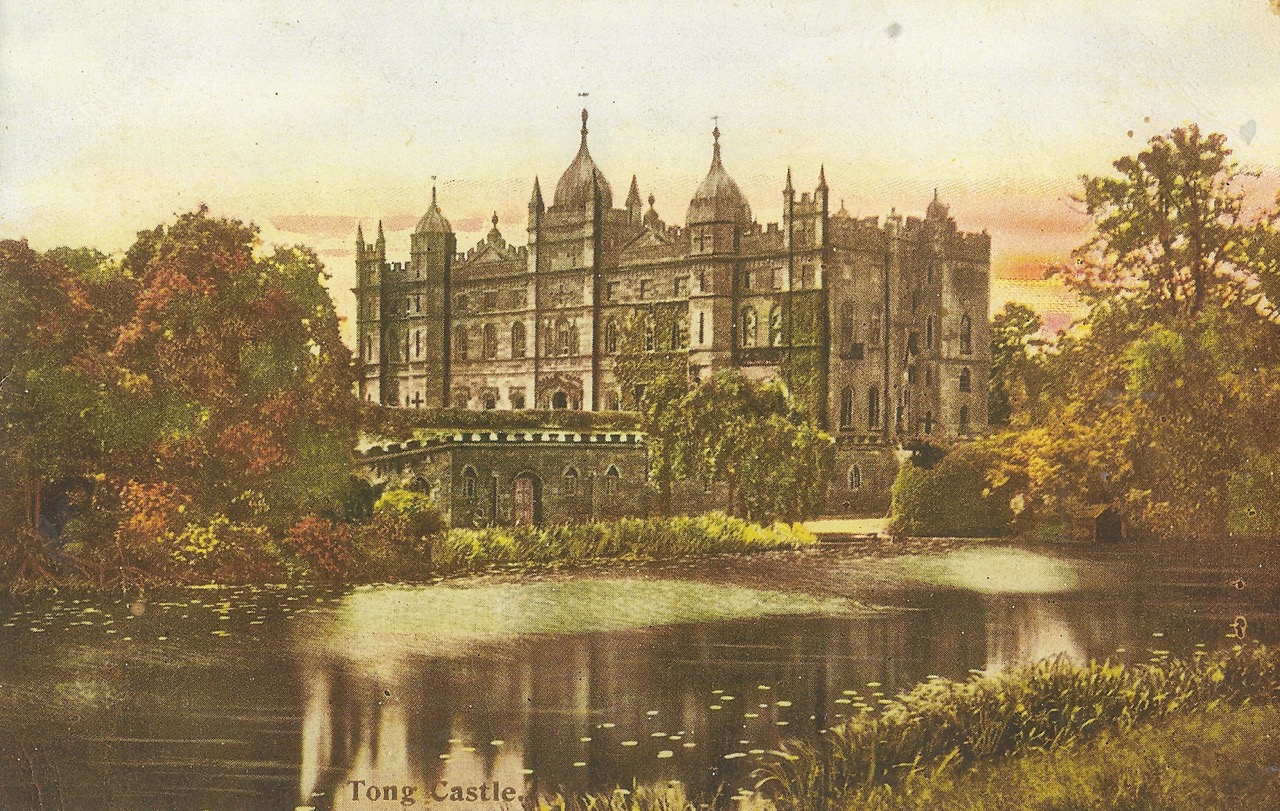
In 1888, James Cheadle was a clock and watchmaker, aged 33, living with his wife and two small children behind the shop at 16 Bradford Street. He had a good business looking after the clocks at Weston Park, Patshull Park, Haughton Hall, Decker Hill and Tong Castle and other lesser mansions and rectories in the area. He was very musical, playing the violin and forming and leading various bands.
In March 1888, he was invited to assist an ‘influential and energetic’ committee formed to raise funds to purchase a new church clock, led by John Townsend Brooke and the Rev. Wingate. A new clock had been proposed as a lasting memorial of Queen Victoria’s Golden Jubilee in 1887, but the funds collected were all spent on the celebrations. However the idea that Shifnal needed a new clock had taken hold. Railways had introduced a need for accurate timekeeping across the country: wealthy people could afford watches and clocks but general workers and labourers relied on a factory or church clock or knocker-uppers. There is documentary evidence that there has been a clock at St. Andrew’s since 1695. A turret clock had been installed in 1831 by a local clock maker, William Davis.
Early that same month, March 1888, James Cheadle drew up the specifications for a new clock and sent it out to at least two companies: Joyce of Whitchurch and Gillett & Johnson of Croydon. The returned tenders were then submitted to John Brooke’s college friend, Lord Grimthorpe, an engineer who had invented the Denison Gravity escapement, and he judged that the Gillett & Johnson submission should be chosen. By the end of April 1888, a company representative had visited Shifnal and submitted a revised estimate of £250 for the work. This money was raised by public subscription. The work progressed quickly and the clock was set going by Lady Wilhelmina Brooke on 26th September 1888.
James Cheadle was involved in the building of the clock, working with the foreman from Gillett & Johnson, John Trotter, and Fred the carpenter and a team of stonemasons. Soon after the clock had been installed, an agreement was made in James Cheadle’s shop with Mr John Townsend Brooke and the church warden, Henry Thomason, that he should have the job of looking after the clock with the help of Richard Taylor, a gardener at Haughton Hall. The clock required winding three times per week and carefully looked at each time – the dial, the East and West cranks, the hammers and levers, – an hour’s work on each visit.
The specifications for the clock had emphasized the need for accuracy and clarity of tone to reach all parts of the town, and as James Cheadle later wrote ‘it was a good clock’… ‘ and ‘he had that clock keeping wonderful time’. But after 16 years, in 1904, his contract was terminated by the vicar, the Rev. Malaher, and the church wardens. Naturally James Cheadle was very angry and letters were exchanged between him and the church administrators. He had been given the job by Mr. John Brooke and had served him faithfully and in doing so had ‘mounted the steeple more than 4000 times’. No one knew the clock as well as he and very soon, the clock was broken and people were stopping him in the street, asking ‘What’s wrong with the clock, Mr. Cheadle?’ Henry Revell Phillips, one of the Church Wardens, replied that the contract had been terminated to save money rather than any dissatisfaction with Cheadle’s work. The new man was experienced in turret clocks, but no-one had shown him how to wind the one at St. Andrew’s.
Revell Phillip’s letter also indicates that James Cheadle had been asked to put in a quotation to mend the clock, but we can only imagine the response.
James Cheadle was still brooding about this insult in 1930, when a new vicar, Rev. John Hall, asked him to consider looking after the clock again. James Cheadle’s letter hinted that the clock has not worked with any reliability since 1904 and he agreed to return to this duty with the help of his sons, James Edward Cheadle died in 1933. A photograph in the Shifnal Local History Exhibition, at the old Fire Station, shows his funeral procession marching down the Innage led by the town band. His specification for the Church clock and subsequent correspondence are lodged at Shropshire Archives, but transcripts can also be seen at the old Fire Station, open every Friday 2 – 4pm and Saturday 10am – 12 noon.
James and William, ‘who have been reared among clock and watch wheels and mainsprings, crotchets and quavers’.
Share your Shifnal history
We love to hear from people with stories that are worth sharing – get in touch and send yours.